
The Rise of Soft Drinking: How Mindful Drinking went Mainstream
How we think about drinking is changing.
At DASH, we’ve seen that shift firsthand, as more people look for alcohol-free drinks that still feel social, satisfying, and grown-up.
More people are starting to question not just how much they drink, but why, when, and what they’re drinking. Surveys consistently show that a growing proportion of adults are actively trying to reduce their alcohol intake. This shift isn’t about rules or restriction, it’s about choice. And it’s given rise to something often called mindful drinking.
At its core, mindful drinking means being more conscious of your choices. For some people, that looks like drinking less alcohol. For others, it means choosing alcohol-free drinks that still feel adult, social and satisfying. Either way, the goal is the same: enjoying the moment without feeling like you’ve compromised.
People aren’t just searching for how to drink less, they’re searching for what to replace it with. That shift says a lot about how drinking culture is changing.
This way of thinking has helped shape the rise of soft drinking, a broader movement that makes space for alcohol-free alternatives at the table, in the pub, and at social occasions, without turning them into a compromise. Sparkling waters and thoughtfully made soft drinks aren’t an afterthought, but a genuine choice.
As more people choose to drink less, go alcohol-free, or simply drink differently, mindful drinking becomes less about a single moment and more about how we socialise long-term.
Choice, not compromise.
For a long time, alcohol-free options were treated as the fallback. Something you drank when you were driving, pregnant, or “taking a break”, not because you genuinely wanted to.
That mindset is shifting.
Today, choosing not to drink alcohol doesn’t mean opting out of flavour, ritual or social moments. People still want drinks that feel refreshing and grown-up, whether they’re hosting friends, heading to the pub, or winding down midweek. The difference is that alcohol is no longer the default.
This is where soft drinking comes into its own. Alcohol-free drinks, sparkling waters and thoughtfully made soft drinks give people real alternatives that don’t feel like a downgrade. They hold their own in a glass, work in social settings, and make the choice feel easy.
Mocktails play a role here too, but they’re just one expression of a much bigger shift. At its core, mindful drinking is about having options that feel right for the occasion, whatever that looks like.
Dry January® didn’t start this, but it accelerated it
Every January, hundreds of thousands of people in the UK pause alcohol, not necessarily forever, but long enough to reassess habits, sleep, energy, and social routines. And almost immediately, one question appears:
What do I actually want to drink now?
That question has fuelled innovation. It’s pushed brands, bars and consumers towards alcohol-free drinks that don’t feel like a downgrade.
Dry January® didn’t invent mindful drinking culture, but it turned it into a shared experience. And shared experiences change demand.
The sober curious era and the rise of social intelligence
People aren’t necessarily rejecting alcohol altogether. They’re choosing when, why, and whether it makes sense. Midweek dinners. Work socials. Fitness goals. Mental clarity. Even mood.
Drinking less has become socially intelligent, not socially awkward.
Mocktails and alcohol-free drinks fit into that shift perfectly. They give people something considered to hold in their hand, without the side effects.
Why flavour matters more than ever
Here’s where the old alcohol-free category fell down.
Too many drinks were too sweet. Flat. One-note. But flavour is what makes a drink feel grown up.
Acidity keeps things crisp. Real fruit adds depth. Bitterness balances sweetness. Carbonation brings life. When done well, alcohol-free drinks don’t imitate alcohol, they replace the role alcohol used to play.
This is why sparkling water infused with real fruit has become such a staple in dry months. It’s refreshing, sharp, and satisfying, without trying too hard.
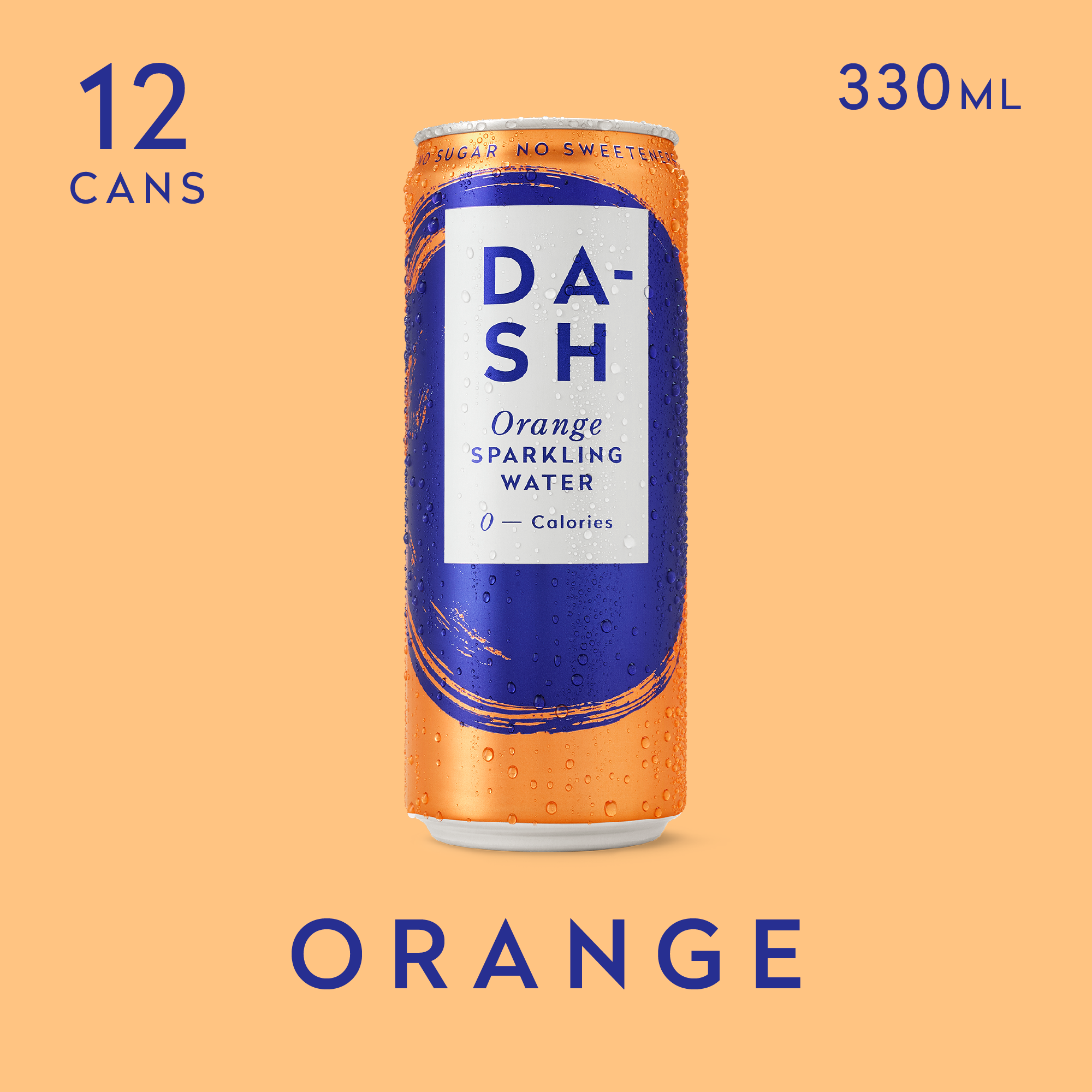
That’s where DASH comes in.
The Clean Dirty Martini
One of the most interesting developments in alcohol-free drinking is the growing appetite for savoury flavour.
Salty. Sharp. Herbal. Bitter.
The Clean Dirty Martini leans directly into that shift. Inspired by the rituals of cocktail culture, but stripped of alcohol and unnecessary additives. It’s about structure and balance, not sweetness.
Across the campaign, over 100 creators were gifted Clean Dirty Martini kits with no obligation to post. A significant proportion chose to share the experience organically, featuring DASH in everyday social moments, hosting friends, weekend dinners, and relaxed evenings at home. The resulting content reached millions of viewers, not because it was framed as “non-alcoholic content”, but because it felt familiar, grown-up, and authentically fun.
What mattered wasn’t scale alone, but context. DASH didn’t show up as a substitute for alcohol, it showed up as part of the ritual. A drink that holds its own in the glass, rather than a second-best option.
This kind of serve reflects a broader shift in how we indulge. Choosing drinks that feel considered and grown-up, without pretending to be something they’re not. Mocktails play a role here, but they’re part of a wider landscape of alcohol-free choices that prioritise flavour, restraint and satisfaction.


Why alcohol-free choices feel normal now
What’s made soft drinking feel normal is visibility.
From creators sharing alcohol-free dinner parties to cocktail content that centres flavour rather than booze, mocktails are being shown as part of everyday life, not a niche decision.
Every January, we work with creators to showcase how alcohol-free drinks fit naturally into nights in, dinners out, and social rituals.


When people see themselves reflected, behaviour follows.
What to drink during Dry January (and beyond)
This is where most people stumble.
Not because they miss alcohol, but because the alternatives don’t excite them.
If you’re going dry, look for drinks that offer:
- Real flavour, not artificial sweetness
- Texture and bite, not flatness
- Ingredients you recognise
- Versatility, drinks that work both solo and served
Need some inspiration? Try our recipes.
Alcohol-free drinking isn’t a moment.
It’s a movement.
Choosing not to drink alcohol no longer needs an explanation.
People want drinks that respect their taste, their health, and their choices. They want complexity without compromise. Indulgence without consequences.
Soft drinking isn’t about being dry. It’s about drinking on your own terms.
And that mindset doesn’t end in January.
Dry? Hardly.